By Jose Pachar
September 30, 2026
Your home is your sanctuary, and the roof above your head is its primary shield against the unpredictable forces of nature. From torrential downpours and heavy snowfall to blistering summer heat and gale-force winds, your roofing system bears the brunt of the elements day in and day out. While most high-quality roofs are designed to last for decades, they are not entirely invincible. Sudden weather events, poor initial installation, or the natural degradation of materials over time can suddenly compromise this vital barrier.
When structural vulnerabilities arise, ignoring the problem can lead to devastating consequences for your property, including severe water damage, structural rot, and compromised electrical systems. Recognizing the signs of catastrophic damage and the immediate need for emergency roof repairs is absolutely essential for protecting your property and your family. According to Today’s Homeowner, repair is best for roofs under 15 years old with minor damage. However, when the damage escalates beyond minor wear and tear, age becomes less of a factor, and immediate professional intervention becomes a strict necessity.
Here are the top seven warning signs that indicate your home is in immediate danger and requires urgent attention from a professional roofing contractor.
1. Severe Water Leaks in Your Home
Water is undoubtedly the most destructive force your home can face. If you suddenly notice water dripping from your ceiling, pooling in your attic, or running down your interior walls during a rainstorm, you have a critical situation on your hands. Active leaks indicate that the waterproof barrier of your roofing system has been completely breached.
Water does not just damage your drywall and ruin your paint; it can seep into your insulation, compromise your home’s structural framing, and create serious electrical hazards if it reaches your wiring. Furthermore, standing water or chronic moisture creates the perfect breeding ground for toxic mold, which can pose severe health risks to your family. If you find yourself setting out buckets to catch dripping water in your living room, you cannot afford to wait for a conveniently scheduled maintenance appointment — you need emergency roof repairs immediately to halt the water intrusion and mitigate interior damage.
2. Missing or Damaged Shingles on Your Roof
Your shingles serve as the first line of defense against the harsh outside environment. They overlap specifically to shed water and protect the delicate underlayment beneath. Following a severe storm, high winds, or heavy hail, it is crucial to visually inspect your roof from the safety of the ground.
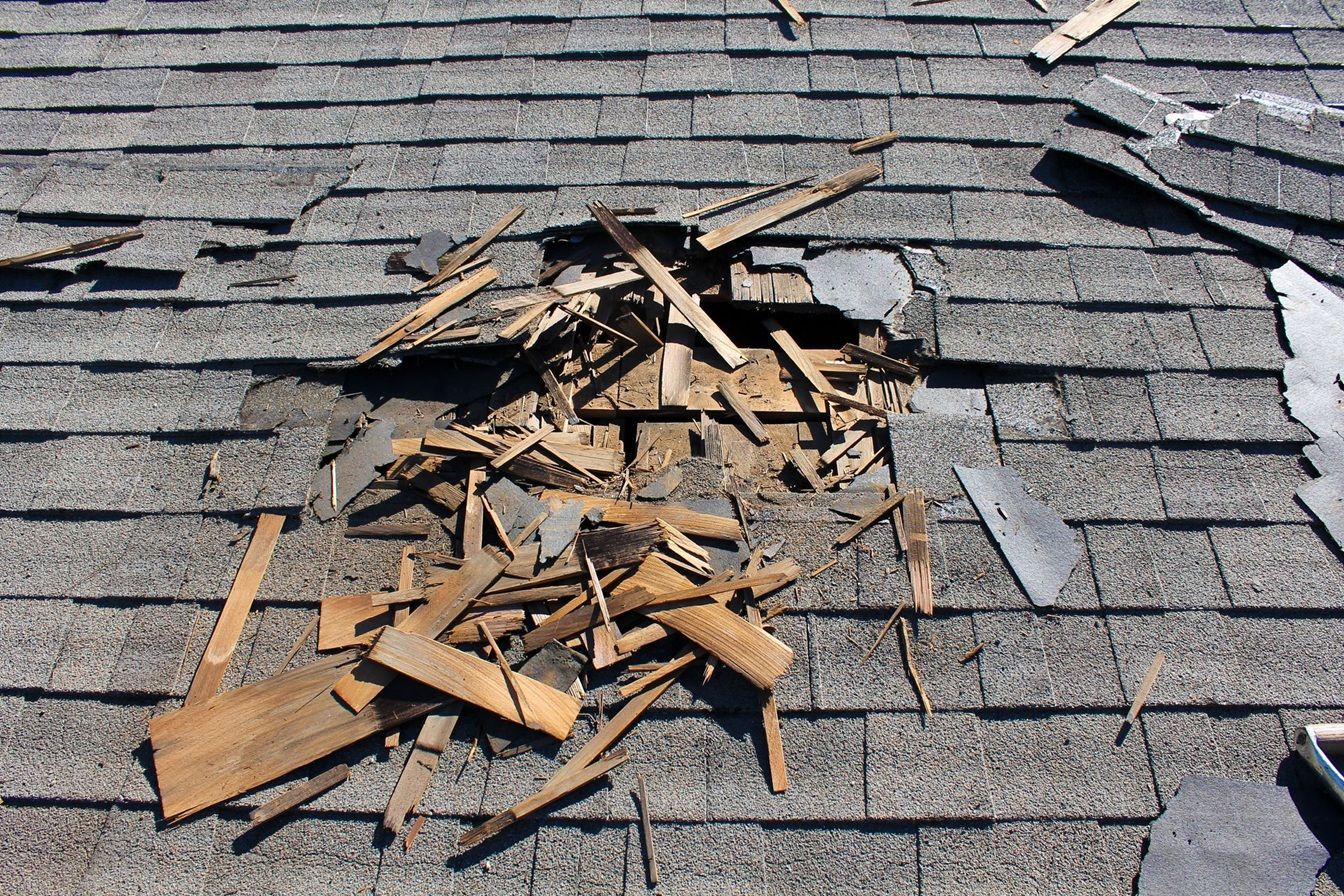
If you spot large patches of missing shingles, or if you notice that the existing shingles are severely cracked, buckling, or curling up at the edges, your roof has been compromised. Without the protective shingle layer, the underlayment is directly exposed to UV rays, rain, and snow, which it is not designed to withstand long-term. A few missing shingles might seem like a minor cosmetic issue from afar, but during the next heavy rainstorm, that small unprotected patch can quickly turn into a major vulnerability, allowing gallons of water to pour directly into your home's infrastructure.
3. Visible Sagging in Your Roof Deck
A healthy, structurally sound roof should have relatively straight and uniform lines. If you step back from your house and notice a distinct dip, curve, or "saddleback" sagging in the roof deck, you are looking at a massive structural red flag.
Sagging typically indicates that the underlying decking or the structural trusses and rafters have been critically weakened. This can be caused by long-term, hidden moisture intrusion rotting the wood, excessive weight from accumulated snow and ice, or even faulty structural supports. A sagging roof deck is not just an aesthetic problem; it is a blatant sign of imminent structural collapse. If you observe this dangerous phenomenon, you must seek emergency roof repairs to stabilize the physical structure of the roof before it caves in entirely and destroys your home.
4. Excessive Granules in Your Gutters
Asphalt shingles are coated with a layer of crushed mineral granules. These tiny, sand-like particles play a massive role in the health of your roof: they protect the asphalt coating from the sun's damaging ultraviolet rays and provide essential fire resistance.
While it is perfectly normal for a new roof to shed a few loose granules shortly after installation, an older roof shedding an excessive amount is a cause for alarm. If you are cleaning out your gutters and notice they are clogged with a thick, heavy layer of coarse, black granules, it means your shingles are deteriorating at a rapid pace. Once the granules are gone, the shingles will bake in the sun, become brittle, and crack easily. This rapid deterioration leaves the entire roofing system exposed to the elements, vastly accelerating the aging process and making your home highly susceptible to widespread leaks.
5. Daylight Shining Through Your Attic
One of the most effective ways to check the health of your roof is to visit your attic during the day. Turn off any artificial lights and let your eyes adjust to the darkness. Look up at the roof deck. If you can see pinpricks or beams of natural sunlight shining through the boards, you have a severe problem.
Simply put: if daylight can easily get into your attic, water, wind, and pests can get in just as easily. These holes or gaps in the decking indicate that the exterior roofing materials have completely failed in those locations. Discovering exposed holes in your roofing system is a terrifying experience for any homeowner, and attempting to board them up yourself from the inside is only a temporary, unreliable fix until qualified professionals can perform emergency roof repairs from the exterior.
6. Sudden Increases in Your Energy Bills
Your roof plays a pivotal, albeit often invisible, role in regulating the temperature of your home. A properly functioning roofing system, combined with adequate attic insulation and ventilation, acts as a thermal barrier. It keeps the warm air inside during the freezing winters and reflects the hot sun away during the sweltering summers.
If your roof's integrity is heavily compromised — perhaps due to saturated insulation from hidden leaks or massive gaps in the decking — that thermal barrier is broken. Your heated or cooled air will escape freely into the atmosphere. As a result, your HVAC system will be forced to work overtime to maintain a comfortable indoor temperature, leading to a sudden, unexplained spike in your monthly energy bills. While a high utility bill alone doesn't always guarantee a hole in the roof, when combined with other signs on this list, it points to a massive failure in your home's envelope.
7. Significant Damage From Recent Storms
Extreme weather is the leading cause of sudden, catastrophic roof failure. High-speed wind gusts can act like a vacuum, lifting and tearing off entire sections of roofing material. Heavy, accumulating snow can cause structural failure, and large hailstones can punch deep dents and cracks right through the shingles.
The most dramatic and dangerous storm damage, however, occurs when heavy tree branches or entire trees are brought down onto your home by extreme winds or lightning strikes. A fallen tree can easily puncture the roof deck, crush the structural rafters, and leave the interior of your home completely open to the raging storm outside. When extreme weather physically breaches your home's exterior to this degree, calling a trusted contractor for emergency roof repairs is the only way to quickly secure the perimeter, implement heavy-duty tarping, and prevent total destruction of the home's interior.
Don't let a compromised roof destroy your peace of mind or the safety of your home. Contact us at Pro Master Construction LLC to schedule an inspection and get the emergency roof repairs you deserve.